Walking Pace Basics
Walking intensity describes the effort your body makes during a walk. People often describe pace as “slow,” “medium,” or “fast,” but intensity depends on more than speed: stride length, terrain, wind, carrying a bag, and your fitness level all change how hard the same speed feels.
In everyday terms, “easy” walking usually feels like you can talk in full sentences without gasping. “Brisk” walking makes conversation harder; you can usually speak in short phrases. “Vigorous” walking pushes breathing faster; talking becomes difficult, and you may need pauses to speak comfortably.
These categories map to physiological intensity. As intensity rises, your breathing rate increases, oxygen demand rises, and your heart rate typically climbs. Muscles also shift toward using more carbohydrate fuel as effort increases, which can change how quickly you feel fatigued.
Common Pace Mistakes
Many people pick a pace based on speed alone, then feel surprised when the effort feels too hard or too easy. A 10-minute mile on flat ground can feel moderate for one person and vigorous for another, because fitness, body size, and walking mechanics differ.
Another frequent issue is “underestimating” intensity when walking feels smooth. If you’re used to sedentary days, even a pace that looks slow on a map can raise heart rate and breathing enough to count as moderate activity. Conversely, if you’re already active, the same pace may not reach the intensity you think it does.
People also misjudge intensity when they use only one cue. Heart rate can lag behind changes in effort, especially if you start quickly or use a wrist device that estimates rather than measures. Perceived exertion can drift when you’re distracted, walking with a friend, or distracted by traffic and hills.
Misjudging intensity matters because pushing too hard too often can worsen joint pain, increase soreness, or trigger short-term overexertion. Walking that is too easy for long periods may not provide the breathing and cardiovascular stimulus people expect, particularly if the goal is to reach moderate or higher intensity.
Biologically, intensity influences how much oxygen your working muscles need and how long you can sustain that demand. At higher intensities, you rely more on faster energy pathways, which increases the rate of fatigue and the likelihood you’ll slow down or stop sooner.
Easy Brisk Vigorous Explained
Easy intensity is typically a pace where breathing is faster than at rest but still controlled. You can usually maintain it for a long time without needing to slow down. This pace is often used for recovery walks, habit-building, and longer sessions.
Brisk intensity is where breathing becomes noticeably heavier. Many people can still talk, but full sentences feel harder. Brisk walking often feels like a “workable challenge” that you can sustain for a moderate duration without needing to stop.
Vigorous intensity is where breathing is rapid and talking is limited to short phrases. You may feel a strong urge to slow down after a short time, especially if you’re new to higher-intensity walking or returning after a break.
Because intensity varies by person, the most practical approach is to use both a talk test and a simple effort scale. The talk test helps you judge how hard you’re breathing, while an effort scale helps you keep intensity consistent from day to day.
How To Choose The Right Pace
Use The Talk Test
Try to match your pace to your ability to speak. Easy walking should let you speak in full sentences. Brisk walking usually limits you to short phrases. Vigorous walking typically makes speaking difficult enough that you can only say a few words at a time.
This works because speech depends on the balance between breathing needs and the ability to coordinate airflow with voice. When intensity rises, you need more ventilation, and speech becomes harder.
In practice, start at the pace you think is “brisk,” then test speech for 30–60 seconds. If you can speak comfortably, increase slightly. If you can’t speak more than a few words, slow down until you can manage short phrases.
Tools: a phone timer for short check-ins, and a consistent route so hills and turns don’t confuse the comparison.
Track Effort With RPE
Use a perceived exertion scale such as RPE 0–10. Many people find that easy walking lands around RPE 2–3, brisk around RPE 4–6, and vigorous around RPE 7–8. These ranges are not universal, but they help you avoid guessing.
RPE reflects the combined signals your body sends—breathing, muscle fatigue, and overall strain. It also adapts to day-to-day changes like sleep, stress, heat, and minor illness.
In practice, aim for the same RPE range across sessions rather than the same speed. If your RPE is higher than usual at the same pace, consider slowing down or shortening the walk.
Tools: a notes app to record RPE and duration, plus a consistent warm-up so you’re not judging intensity during the first few minutes.
Use Heart Rate Carefully
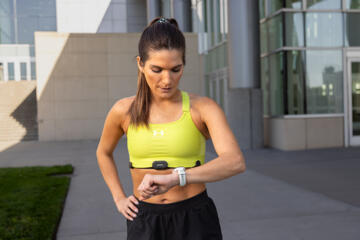
Heart rate can help, but it needs context. Devices estimate heart rate from the wrist and can be off during movement. Even accurate heart rate responds with a delay, so it may not reflect your true intensity in the first minute.
In practice, use heart rate as a “trend” rather than a single target. Look at average or steady-state values after you’ve been walking for several minutes. If your heart rate climbs much faster than expected for your perceived effort, check for factors like hills, heat, dehydration, or a device fit issue.
Tools: a chest strap if you need more accurate readings, and a consistent measurement window (for example, minutes 5–15 of a walk).
Match Pace To Your Goal
Different intensities fit different aims. Easy walking is often used for longer time on your feet and for building consistency. Brisk walking is commonly used when the goal is moderate-intensity activity that raises breathing and heart rate. Vigorous walking is typically shorter and less frequent for most people because it increases fatigue and may aggravate pain if you ramp up too quickly.
In practice, a balanced week might include mostly easy or brisk sessions, with occasional higher-intensity intervals if you tolerate them. If you’re new to vigorous effort, start with short bursts and return to an easier pace before you feel you must stop.
Realistic outcomes depend on baseline fitness and consistency. Many people notice improved stamina and less breathlessness over weeks when they walk regularly at the chosen intensity, but the magnitude varies widely.
Tools: a simple plan template—choose duration first, then adjust pace to hit the intended intensity cues.
Educational Case Examples
Case 1: Brisk Without Overreaching
A 52-year-old who has been walking slowly for months wants a more challenging session. They choose a route with one small hill, start at an easy pace for 5 minutes, then increase to a brisk pace where they can speak in short phrases. They keep RPE around 5 most of the walk and stop increasing speed when breathing becomes too hard to maintain short phrases. Over several weeks, they extend the brisk portion gradually while keeping the talk test consistent.
Case 2: Vigorous Intervals For Short Sessions
A 39-year-old who already walks regularly wants to add intensity without long sessions. They warm up for 8 minutes at an easy pace, then walk at a vigorous pace for about 30–60 seconds where speaking is limited to a few words. They return to easy walking for 1–2 minutes, repeating several times. They monitor joint discomfort and reduce interval length if pain increases rather than settles after the walk.
Pace Checklist And Comparison
| Intensity | Talk Test | Typical Effort (RPE) | What It Feels Like |
|---|---|---|---|
| Easy | Full sentences comfortable | 2–3 / 10 | Breathing faster than rest, controlled |
| Brisk | Short phrases only | 4–6 / 10 | Noticeably heavier breathing, steady pace |
| Vigorous | Few words at a time | 7–8 / 10 | Rapid breathing, fatigue builds quickly |
Quick step-by-step checklist: (1) Warm up 5–10 minutes at an easy pace. (2) Choose the target intensity using the talk test. (3) Confirm with RPE after 2–3 minutes at the new pace. (4) Keep the route and conditions similar when comparing sessions. (5) If you overshoot and can’t speak as expected, slow down immediately rather than forcing the pace.
Common Mistakes
Starting vigorous too quickly is a common problem. If you jump from rest to vigorous effort, breathing and heart rate rise faster than your muscles can adapt, increasing the chance of dizziness, cramps, or flare-ups of joint pain.
Ignoring terrain changes leads to inconsistent intensity. Hills can turn a “brisk” flat-ground pace into vigorous effort. Wind and temperature also change perceived effort, so the same speed may not match the same intensity.
Over-relying on speed can cause frustration. If your goal is intensity, speed is a tool, not the target. Use talk test and RPE to guide adjustments.
Skipping recovery can also backfire. Even when walking is low risk for many people, frequent high-intensity days can increase soreness and tendon irritation. Spacing harder sessions with easier days helps you tolerate progress.
Walking through sharp pain is a mistake. Mild muscle fatigue is common, but sharp joint pain, numbness, or pain that worsens during the walk deserves attention and may require you to stop and reassess.
FAQ
What pace counts as brisk walking?
Brisk walking is defined by intensity cues: you can usually speak only in short phrases and your effort feels moderate (often around RPE 4–6). Speed varies widely by person and terrain, so talk test and RPE are more reliable than a single number.
How long should I walk at vigorous intensity?
Vigorous intensity is typically harder to sustain. Many people use short intervals (for example, tens of seconds to a few minutes) followed by easier walking, then reassess how breathing and joint discomfort respond.
Does heart rate confirm walking intensity?
Heart rate can support intensity tracking, but wrist estimates can be off during movement and heart rate lags at the start of a walk. Use heart rate as a trend after several minutes and compare it with talk test and RPE.
Can easy walking still help if it feels too slow?
Easy walking can still be useful when it helps you accumulate time consistently and keeps effort controlled. If your goal is moderate or higher intensity, easy pace may not raise breathing enough, so you may need some brisk portions.
What should I do if my pace feels harder than usual?
Adjust immediately using the talk test and RPE. Heat, poor sleep, dehydration, hills, and minor illness can raise perceived effort, so slowing down or shortening the session is a reasonable response.
Author's Insight
Walking intensity is best judged by how your body responds, not by a single speed. The talk test and RPE capture the combined effects of breathing and muscle strain, which change with hills, weather, and fitness level. Heart rate can add context but often lags and may be inaccurate on the wrist, so it works best as a steady trend rather than a real-time target. A practical plan starts with easy walking, then adds brisk time or short vigorous intervals only when you can match the intended intensity cues consistently.
Key Takeaways
- Easy, brisk, and vigorous walking are intensity categories; speed alone cannot define them.
- Use the talk test and RPE to keep intensity consistent across different routes and days.
- Brisk walking typically limits speech to short phrases; vigorous walking makes speech difficult.
- Ramp intensity gradually and watch for joint pain that worsens during the walk.
- Heart rate can help, but treat it as a trend after a few minutes and interpret it alongside breathing and effort.