Sedentary Time And Movement
Sedentary time refers to waking hours spent sitting or lying down with low energy use. Many people meet weekly exercise goals yet still sit for long uninterrupted blocks at work, on commutes, or during screen time. Breaking up sitting means adding brief movement breaks—standing, walking, or light activity—during those blocks rather than waiting for a longer workout later.
In practical terms, a “break” can be as simple as standing for 1–2 minutes, taking a short walk, or doing a few bodyweight movements at your desk. Some people use timers, others use wearable alerts, and some rely on routine cues like after each meeting. The key mechanism is that muscles act as a major “sink” for glucose and help circulation when they contract repeatedly. When you sit for long periods, those muscle contractions drop, and metabolic processes shift in ways that can show up in blood sugar and vascular function.
Evidence from controlled studies shows that short bouts of light activity can improve post-meal glucose and certain markers of vascular function compared with staying seated. The size of the effect varies by meal timing, the type of movement, and how long the sitting bout lasts. Real life adds noise: stress, sleep, hydration, and the fact that breaks often happen irregularly. Still, the direction of results supports the idea that frequent movement interruptions can help, even when total weekly exercise stays the same.
What People Get Wrong
A common mistake is treating “exercise” and “sitting” as the same thing. A person can run 30 minutes on weekdays and still spend 8–10 hours seated, which leaves long periods with minimal muscle activity. Another error is assuming that any movement counts equally. Standing still for a minute may differ from walking for a minute, and both differ from repeated sit-to-stand cycles.
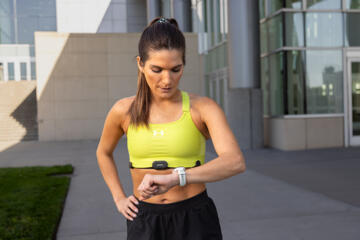
People also overestimate what wearables can prove. Many trackers estimate activity from wrist motion or heart rate patterns, which can miss subtle desk movements. Some devices label “standing” when you shift posture, but they may not capture muscle contractions that matter for glucose handling. In a small aside from a common workplace setup: I’ve seen people rely on a phone app that only triggers when you start walking, which means you can stand for 2 minutes and still get no “break” credit.
There are dependencies that change outcomes. Meal composition and timing affect glucose response, so a break after a snack can look different from a break after a large lunch. Mobility limits matter too; if you have knee pain or balance issues, frequent standing may not be safe. Finally, the evidence base includes both short-term lab outcomes and longer-term observational findings, and those do not always align perfectly.
Solutions And Practical Advice
Start With Small Breaks
Begin with movement breaks that fit your schedule: stand up and move for 1–2 minutes every 30–60 minutes. If that feels unrealistic, start with every 60–90 minutes for a week, then tighten the interval. For many people, a “break” can be a brisk walk to the printer, a lap around the office, or repeated sit-to-stand from a chair.
Realistic outcomes depend on baseline sitting time. In studies where participants replaced long sitting with frequent light activity, glucose responses after meals improved, but the effect size was not identical across everyone. If you track your own data, expect changes in how you feel (less stiffness, fewer “heavy legs”) and possibly small shifts in post-meal glucose if you measure it. A mild frustration: most people skip the first week of consistency because the timer feels annoying, then they judge the plan too early.
Use Tools With Clear Signals
Timers and wearables work best when they trigger at the right moment. A desk timer that buzzes every 45 minutes can be more actionable than a wearable that waits until you hit a step threshold. If you use a wearable, check how it defines “standing” versus “active minutes,” and test it for a day by doing a known routine (for example, stand and walk for 2 minutes at 10:30) to see what the device logs.
Some people use smartphone reminders; others use smartwatches. If you use a smartwatch, note that firmware and app versions change behavior. For example, a settings screen in a fitness app might label “stand reminders” differently after an update (I’ve seen this after a mid-year update in 2024), so verify the toggle names rather than trusting old screenshots.
For people who prefer low-tech methods, a simple rule can work: after each meeting ends, stand up for 60 seconds before sitting again. That turns breaks into a habit loop instead of a constant interruption.
Match Breaks To Your Body
Mobility and pain history should guide the type of break. If standing worsens back or knee symptoms, try alternatives: short seated marches, ankle pumps, or gentle upper-body movement while seated. If balance is an issue, avoid rushing into fast walking breaks; start with slow movement and use a stable surface.
For desk-based strength, sit-to-stand cycles can be useful, but they should be pain-free. A conservative starting point is 2 sets of 5 repetitions during a break, then reassess. If you have cardiovascular conditions, follow your clinician’s advice about safe intensity and watch for symptoms like chest pain, dizziness, or unusual shortness of breath.
Track Outcomes Without Overclaiming
Tracking helps you learn what works, but it rarely proves causation. If you have diabetes or prediabetes, consider discussing home glucose monitoring with your clinician and use breaks as a test variable. For others, track practical markers: time-to-stiffness after sitting, number of breaks completed, and whether post-meal energy improves.
Use a simple log for 7–14 days. Record the number of breaks, the type (stand, walk, sit-to-stand), and whether you had a meal within the previous 30–90 minutes. This structure helps you interpret patterns without turning every day into a medical experiment.
Case Examples From Realistic Setups
Office Worker With Long Meetings
An office worker sits from 9:00 to 17:30 and has back-to-back meetings. They set a desk timer for 45-minute intervals and choose a consistent break: stand, refill water, and walk to the window for about 90 seconds. After two weeks, they report less lower-back stiffness and fewer “afternoon crashes.” They do not claim weight loss, but they notice that their post-lunch sluggishness feels smaller on days when the break happens within 30 minutes after eating.
Student With Screen-Heavy Study
A student studies for long blocks and uses a laptop for most sessions. They switch from a single “hourly break” to a pattern: 5 minutes of movement after every 25 minutes of study, using a timer aligned with the Pomodoro method. The student chooses seated options on days with limited space—standing stretches and ankle pumps—then adds a short hallway walk when possible. Their main outcome is improved comfort and fewer headaches from sustained posture, while study time stays the same.
Comparison Checklist For Breaks
| Option | Typical Break Length | Best Use Case | Limitations |
|---|---|---|---|
| Stand and reset | 60–120 seconds | Between meetings, low-mobility days | Standing still may help comfort more than glucose |
| Walk a short loop | 1–3 minutes | After meals, when space allows | Not ideal if balance or pain limits fast movement |
| Sit-to-stand cycles | 2–5 minutes | When you want a muscle stimulus | Use pain-free range; may not suit severe knee issues |
| Seated muscle activation | 60–120 seconds | Commuting, tight spaces, flare-ups | May be less effective than walking for circulation |
Decision rule: pick the option you can repeat consistently. If you can walk safely, walking breaks tend to add more muscle activity than standing alone, but standing still remains a practical starting point.
Common Mistakes To Avoid
One mistake is using breaks as a substitute for weekly moderate-to-vigorous activity. Movement breaks can improve short-term metabolic markers, but they do not replace the broader benefits of regular exercise for cardiorespiratory fitness and muscle strength.
Another mistake is making the plan too complex. People often set multiple timers, track five metrics, and then abandon the routine after a busy week. A simpler approach—one timer, one break type, one tracking method—usually lasts longer.
Some people also ignore safety. If you have dizziness, uncontrolled blood pressure, or significant joint pain, frequent standing and walking may worsen symptoms. In those cases, seated activation or clinician-guided activity changes are more appropriate.
Finally, avoid “data theater.” If you see a wearable report fewer sedentary minutes but you still feel worse after meals, the device may not reflect the muscle activity you care about. The goal is functional change, not just a lower number.
FAQ
How often should I break up sitting?
A practical starting target is a movement break every 30–60 minutes. If that feels too hard, begin every 60–90 minutes and tighten the interval over a couple of weeks.
Do standing breaks work if I do not walk?
Standing can reduce discomfort and may help circulation, but walking or sit-to-stand usually adds more muscle contractions. If walking is not feasible, standing plus gentle movement still offers a better pattern than staying seated continuously.
Will a wearable automatically track my breaks?
Many devices estimate standing and activity from motion and heart-rate patterns, which can miss desk-based movement. Check the device’s definitions and test it with a known routine for a day.
Can breaking up sitting improve blood sugar?
Short movement bouts after meals can improve post-meal glucose responses in controlled studies, especially when compared with uninterrupted sitting. Individual response varies with meal timing, meal composition, and baseline metabolic health.
Is it safe to do sit-to-stand at a desk?
It can be safe when done in a pain-free range with stable footing and a chair that does not slide. If you have knee, hip, or balance problems, choose seated alternatives or get clinician guidance.
Author's Insight
Breaking up sitting targets a specific physiological gap: long periods with minimal muscle contraction. Research supports short-term improvements in glucose handling and some vascular measures when sitting is interrupted by light activity. The real-world challenge is consistency, safe movement choices, and accurate interpretation of wearable data. A reasonable plan uses frequent, low-cost breaks and tracks functional outcomes for 1–2 weeks before changing the approach.
Key Takeaways
- Frequent movement breaks can help when long sitting blocks dominate your day.
- Walking or sit-to-stand usually adds more muscle activity than standing still, but standing is a workable start.
- Wearables may misclassify desk movement, so verify how your device counts breaks.
- Do not treat break-ups as a replacement for regular exercise and strength training.
- Choose break types that match your mobility and pain limits, and stop if symptoms appear.