Learning Sitting and Activity
Sitting for long periods is linked to higher risks of heart disease, diabetes, and poor posture. The average office worker sits about 9.5 hours daily, according to a 2020 CDC report. Movement interrupts sedentary time, which reduces health risks and boosts energy levels. Practical examples include standing meetings or short walks during breaks. Little bursts of movement add up; 5 minutes every hour can make a difference.
Common Sitting Issues
Many underestimate how deeply sitting affects the body. Blood flow slows, muscles weaken, and joints stiffen. This sedentary lifestyle leads to chronic back pain, weight gain, and even cognitive decline. Office workers often complain about fatigue late afternoon, which stems from lack of circulation. Ignoring these signals causes problems that impact productivity and life quality. It also alters metabolism, increasing risks for obesity and insulin resistance.
Practical Ways to Move More
Use a sit-stand desk
Switching periodically between sitting and standing improves circulation and reduces lower back pain. The Varidesk Pro Plus 36 is a popular model allowing easy height adjustment. Aim for standing at least 25% of your workday. Start with 15 minutes, then increase gradually to avoid leg fatigue. Stand on a cushioned mat to lessen foot discomfort.
Schedule micro-breaks
Short, frequent breaks for movement interrupt sitting time effectively. Set a timer every 45 minutes as a reminder to stand, stretch, or walk around. Even walking to the printer or doing simple stretches at your desk boosts circulation. Research shows these micro-breaks reduce muscle stiffness and eye strain. Apps like Stretchly or Workrave, version 2.7.1, help remind you to move.
Incorporate desk exercises
Simple exercises engage muscles without leaving your workstation. Seated leg lifts, seated marches, or shoulder rolls target stiff areas. Doing 10-15 repetitions per exercise during breaks improves mobility and posture. Resistance bands add challenge if space allows and can support shoulder and arm muscle strength.
Walk or bike part of your commute
Reclaim activity by changing how you get to work. Walking or biking at least 1 mile daily adds cardiovascular benefits. If distance is long, parking farther away or getting off public transit one stop early works well. This approach increases step counts by 2,000-3,000 on average, beating the sedentary trap before work even starts.
Join movement breaks or fitness challenges
Office wellness programs that include group stretch or movement breaks motivate participation. Technology like Fitbit or Garmin watches provides tangible data to keep you accountable. Challenges like ""10,000 steps a day"" can be a lighthearted way to increase activity. Success comes from social encouragement, proven to boost consistency.
Optimize your workspace ergonomics
Position your monitor at eye level to avoid neck strain. Use a chair with lumbar support to maintain spine alignment. Adjust keyboard and mouse height to reduce wrist stress. These measures don’t increase activity directly but reduce discomfort that deters movement. A small investment, such as Herman Miller Aeron chair, improves comfort for hours.
Strength train on off-hours
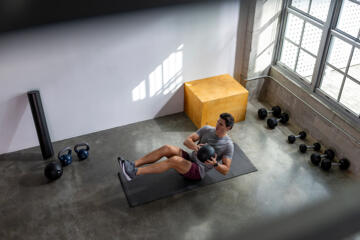
Building muscle outside work improves posture and metabolic rate, counteracting sedentary harm. Exercises like planks, squats, and back extensions help restore muscle balance. Even 20 minutes twice weekly leads to stronger core and fewer complaints about back or hip pain. Free YouTube channels like Fitness Blender offer guided sessions free of charge.
Use technology judiciously
Wearables provide feedback on inactivity but avoid chasing perfect scores obsessively. Smartwatches that vibrate after 50 minutes of sitting prompt timely breaks—simple but effective. Some fitness trackers overcomplicate tracking; skip apps that add extra stress rather than movement. Find what fits your routine by trial.
Hydrate with walking reminders
Drinking water frequently creates natural reasons to get up for refills or bathroom breaks. This habit doubles as a movement prompt, lowering sitting stretches. Aim for 2-3 liters daily depending on activity level and environment. Hydration also supports focus, so you gain multiple wins from this simple strategy.
Examples From Workplaces
A fintech company in Chicago noted 40% of employees reported back pain in 2019. They introduced sit-stand desks and 5-minute hourly stretch breaks. Within six months, back pain complaints dropped by 18%. Productivity scores increased by 8%, linked to better comfort and alertness. Another case at a law firm showed that encouraging walking meetings decreased sedentary time by 20%, measured by wearable devices, boosting team interaction and energy.
Active Habits Checklist
| Activity | Frequency | Duration | Tools Needed |
|---|---|---|---|
| Sit-stand desk | Daily | 15-60 mins sessions | Adjustable desk |
| Micro-breaks | Every 45 mins | 2-5 mins | Timer, app |
| Desk exercises | Daily | 5-10 mins | Resistance bands (opt) |
| Active commute | Daily | 20-60 mins | Comfortable shoes |
| Strength training | 2-3 sessions/wk | 20-30 mins | Bodyweight/dumbbells |
Avoidable Errors at Work
Trying to overhaul movement habits abruptly often leads to burnout or skipping breaks. Setting unrealistic goals, like standing all day, creates fatigue. Not adjusting ergonomics worsens poor posture, undercutting efforts. Relying solely on wearable reminders without creating a comfortable environment seldom works well. Ignoring hydration also weakens focus — movement and hydration go hand in hand. Don't neglect variety; repeating one type of movement alone will limit benefits.
FAQ
How often should I stand up?
Aim to stand or move for 3 to 5 minutes every 30 to 60 minutes spent sitting. This helps maintain circulation and reduces muscle stiffness.
What are easy desk exercises?
Leg lifts, shoulder shrugs, wrist rotations, and seated torso twists require no equipment and can be done in a minute or two without disrupting work.
Can standing desks reduce back pain?
They help, but only when combined with breaks and good posture. Standing too long without moving often worsens discomfort.
How do I track my sitting time effectively?
Use apps like RescueTime or activity trackers like Fitbit, which monitor inactive periods and alert when it’s time to move.
Is walking during breaks enough?
Walking is helpful, especially combined with stretching and strengthening exercises—it reduces sedentary risks more than just standing or sitting.
Author's Insight
I've spent over a decade working at desks and noticed subtle aches turned into persistent pain before I prioritized movement. Starting small with micro-breaks was my best move; the timer app, version 1.4, helped form the habit. I also learned that a solid ergonomic setup dramatically raises comfort. Movement isn’t about hours at the gym but frequent steps, simple stretches, and listening to your body cues every hour.
Key Takeaways
Long sitting hours damage health unless interrupted regularly with movement. Become more mindful by standing, stretching, or walking every hour. Combine adjustable desks, simple exercises, and hydration for a solid routine. Start small, track progress, and adjust your workspace to stay comfortable. You’ll feel better physically and mentally—and avoid sitting’s costly toll.