Popular Articles
 Gadgets
01.10.2026
Gadgets
01.10.2026
Wearable Recovery Scores: How Algorithms Differ
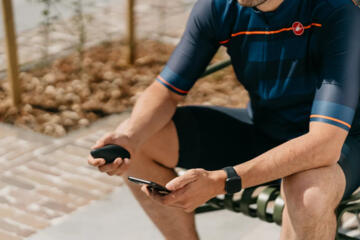
Wearable recovery scores estimate how ready your body is for training or daily activity using heart rate, sleep, and movement data. This matters because different brands and apps use different algorithms, so two scores can mean different things for the same person. This article explains how recovery scoring works, why results vary, what to check in the app, and how to interpret trends without overreacting. You’ll also find realistic scenarios, a comparison checklist, and common mistakes to avoid.
 Gadgets
25.09.2026
Gadgets
25.09.2026
Smart Scales: BIA Accuracy and Measurement Error
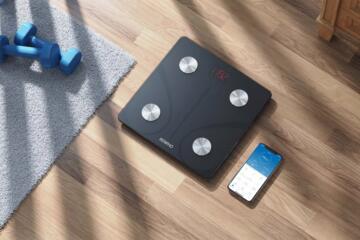
Smart scales use bioelectrical impedance analysis (BIA) to estimate body fat, muscle, and hydration from electrical resistance. This article explains how BIA works, why readings drift with food, exercise, and hydration, and what measurement error means for weight-loss and fitness tracking. It is for people using smart scales at home who want to interpret trends more safely. You will learn practical steps to reduce variability, realistic expectations for accuracy, and common mistakes that distort results.
 Gadgets
19.09.2026
Gadgets
19.09.2026
CGM for Non-Diabetics: What the Data Can Tell You
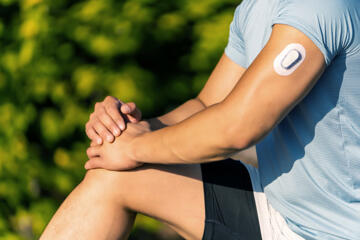
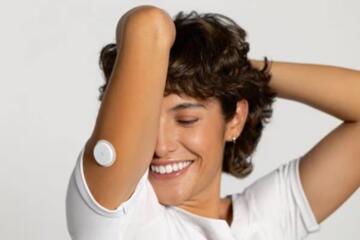
Continuous glucose monitors (CGMs) measure glucose in the fluid under your skin every few minutes, and they’re increasingly being used by people who don’t have diabetes too. This guide breaks down what those numbers actually mean—and what they don’t mean—so you don’t overreact to normal ups and downs. You’ll learn why CGM accuracy can shift based on timing, hydration, pressure on the sensor, and how fast your glucose is changing, plus how to read patterns around meals, workouts, sleep, and travel. It also covers common ways people misinterpret the data, simple sanity checks to confirm the sensor is behaving, and a realistic way to decide whether wearing a CGM is useful for your goals or just extra hassle.
 Gadgets
13.09.2026
Gadgets
13.09.2026
HRV Tracking: What Wearables Can Actually Measure
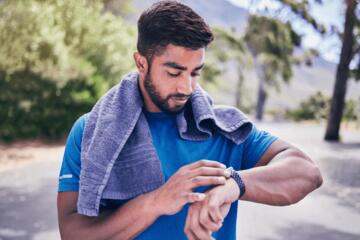
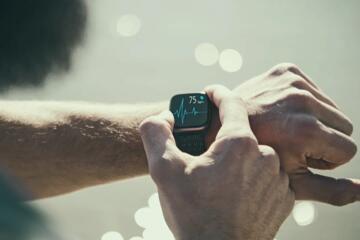
HRV (heart rate variability) tracking is common on wearables, but the numbers can be confusing. This article explains what HRV represents physiologically, which measurements wearables can capture from ECG or optical sensors, and why results vary between devices and situations. You’ll learn how to interpret trends, what data quality issues to watch for, and how to use HRV alongside context like sleep, training load, stress, and illness. Practical examples show realistic expectations and common pitfalls.
 Gadgets
07.09.2026
Gadgets
07.09.2026
Wrist HR vs Chest Strap: Accuracy Under Exercise
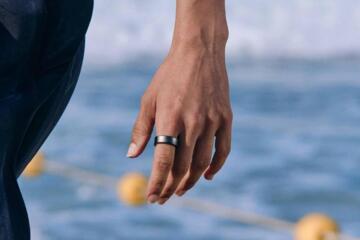
Wrist heart-rate monitors and chest straps both track exercise intensity, but their accuracy changes with movement, sweat, and skin contact. This article explains why wrist sensors often drift during hard efforts, how chest straps measure heart activity differently, and what practical checks can improve reliability. You’ll learn how to compare readings during workouts, what error patterns to expect, and when to treat HR numbers as trends rather than exact values.
 Gadgets
01.09.2026
Gadgets
01.09.2026
Smart Rings vs Watches: Sensor Differences Explained
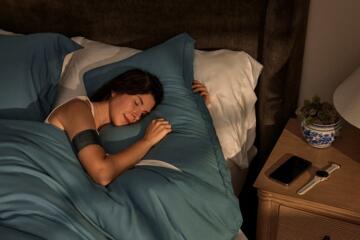
Smart rings and smart watches both track health signals, but they do it with different sensors, placement, and sampling patterns. This matters for interpreting heart-rate trends, sleep stages, stress estimates, and activity metrics without overreacting to noise. This article explains how common sensors work in rings versus watches, where readings can disagree, and how to choose a device that matches your goals. You’ll also find practical checklists, common mistakes, and real-world examples for comparing data responsibly.
 Gadgets
26.08.2026
Gadgets
26.08.2026
Sleep Trackers: Accuracy of REM and Deep Sleep Data
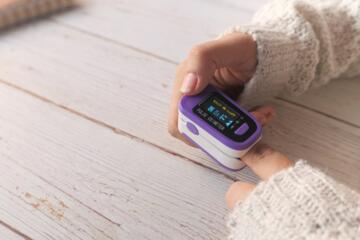
Sleep trackers estimate REM and deep sleep from wrist motion, heart rate, and sometimes skin temperature. This matters because many people use these numbers to judge recovery, stress, and sleep habits. This article explains how REM and deep sleep are detected, where common errors come from, what accuracy looks like in real-world use, and how to interpret tracker trends without treating single-night readings as medical data.
 Gadgets
20.08.2026
Gadgets
20.08.2026
Wearable Accuracy: HR vs HRV vs SpO2 Measurements
Wearable devices track heart rate (HR), heart rate variability (HRV), and blood oxygen saturation (SpO2) using sensors that can be affected by motion, skin contact, breathing, and device algorithms. This article explains how these measurements work, why accuracy varies, and what patterns are meaningful for everyday monitoring. You’ll learn practical ways to improve data quality, interpret common errors, and decide when readings should prompt medical attention.
 Gadgets
15.08.2026
Gadgets
15.08.2026
Best Budget Health Gadgets That Actually Help
Health gadgets can be helpful, but only if they actually fit your life - and don’t cost a fortune. This guide highlights affordable devices that deliver real value without stuffing in flashy features you’ll never use. You’ll find budget-friendly picks for tracking steps and workouts, checking sleep patterns, staying on top of hydration, and building simple daily wellness habits. The goal isn’t to collect endless charts and data; it’s to choose a tool that makes healthy choices easier, keeps you consistent, and gives you information you can actually act on.
 Gadgets
09.08.2026
Gadgets
09.08.2026
Wearables That Track Recovery: Worth It?
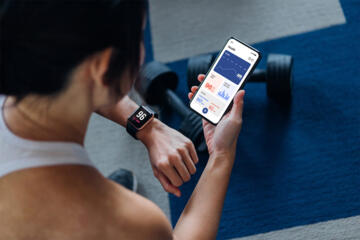
Wearable recovery trackers have become popular tools for people who want more insight into sleep, training readiness, stress, and daily energy. This guide explains what devices like smart rings and fitness watches actually measure, where they help, and where their limits appear. It is designed for athletes, busy professionals, and anyone curious about using health data without chasing every number.