Strength Training's Role
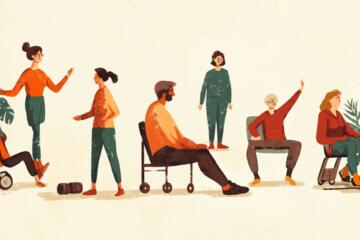
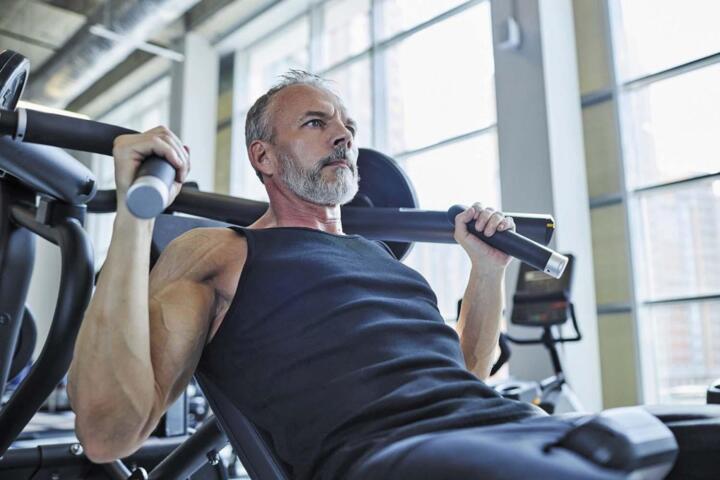
Strength training is the practice of using resistance to stimulate muscle contraction and growth. It includes weight lifting, resistance bands, and bodyweight exercises. This form of exercise not only enhances muscle mass but also bolsters bone density and metabolism. For example, studies show adults lose roughly 3–8% of muscle mass per decade after age 30, a process called sarcopenia, which strength training counteracts effectively. Even teenagers who build early strength see benefits in posture and injury prevention. By the time someone hits their 60s and beyond, regular resistance work slows frailty progression, supporting easier daily tasks like carrying groceries or climbing stairs.
Misconceptions and Challenges
Many people confuse strength training with bodybuilding or assume it requires a gym membership. This misunderstanding causes avoidance, especially among older adults who wrongly fear injury. Another error occurs when beginners use improper form, risking strain or discouragement. Ignoring strength training leads to muscle loss, increased fall risk, and slower metabolism. For instance, the CDC reports that falls cause over 3 million emergency visits annually for adults aged 65+, many linked to poor muscle strength. In younger groups, neglecting strength work can mean poorer sports performance and early joint problems.
Approaches and Tools
Progressive resistance work
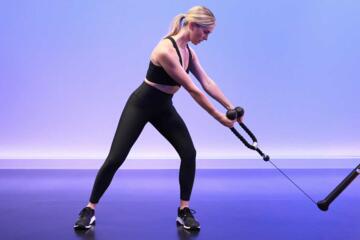
Begin with manageable weights or bodyweight exercises, increasing resistance gradually. This overload principle stresses muscles enough to stimulate growth without injury. Use dumbbells, kettlebells, or resistance bands depending on convenience—bands often help those new to lifting or recovering from injury. For measurable results, aim to increase load by 2–5% weekly while maintaining good technique. Apps like StrongLifts 5x5, version 2.3 from last year, help track progress precisely.
Focus on compound movements
Prioritize exercises engaging multiple joints and muscles at once such as squats, deadlifts, or push-ups. They improve overall function and demand balance and coordination. For older adults, chair squats with support are a practical start. Compound lifts also stimulate greater hormonal response compared to isolated movements, which fosters better strength gain.
Incorporate bodyweight exercises
Push-ups, planks, lunges, and dips build foundational strength with minimal equipment. These can be adjusted for intensity by leverage or reps. They're accessible in small spaces or for travelers. Many recommend completing 8–12 reps per set, performing 2–3 sets per session, 3–4 times weekly.
Use periodization to avoid plateaus
Cycle through phases focusing alternately on strength, hypertrophy, or endurance for continued progress. For example, train heavier weights with fewer reps for 4–6 weeks, then switch to lighter weights with higher reps. This method reduces burnout and injury risk.
Pay attention to rest and recovery
Muscle gains happen outside workouts during recovery periods. Older adults especially need 48–72 hours between sessions for the same muscle group. Use foam rollers or massage tools like the Theragun model G3PRO to relieve tension and improve circulation.
Prioritize proper form
Quality beats quantity. Beginners should seek instruction from trainers, online tutorials from verified channels like ATHLEAN-X, or apps with video analysis. Incorrect form leads to strain and stalls progress.
Combine strength with mobility work
Stretching and dynamic warm-ups increase range of motion and decrease injury risk. Pay special attention to hips and shoulders, which tighten with age.
Nutrition supports training outcomes
Adequate protein intake—about 1.2–1.6 grams per kilogram of body weight daily—fuels muscle growth and repair. Vitamin D and calcium intake also supports bone strength during resistance work.
Stay consistent with realistic goals
Expect gradual gains. Even a monthly 5–10% improvement in weight lifted or reps completed indicates meaningful progress. Tracking results offers motivation and data for tweaks.
Real Practice Stories
A mid-40s software engineer struggled with low energy and back pain. After introducing a thrice-weekly weight sleeve program focusing on deadlifts and planks, he reported 30% less pain and a 25% increase in strength over eight weeks. Meanwhile, a 70-year-old retired teacher used resistance bands at home following a fall. This reduced her modest fear of movement; her physical therapist noted her walking speed increased by 0.2 m/s after three months, a meaningful functional improvement.
Start Strength Work Checklist
| Step | Action | Purpose | Tip |
|---|---|---|---|
| 1 | Assess fitness level | Identify starting point | Use apps or trainer |
| 2 | Choose compound exercises | Efficient full-body impact | Squat, deadlift, press |
| 3 | Track loads and reps | Measure progress | Apps like StrongLifts |
| 4 | Incorporate rest days | Allow muscle recovery | 48+ hours per muscle |
| 5 | Focus on form | Prevent injury | Record or coach review |
Common Pitfalls and Fixes
Skipping warm-ups invites joint pain and strains; invest 5–10 minutes in dynamic stretching. Lifting too heavy, too soon, leads to setbacks; gradual increase beats ego. Neglecting rest results in fatigue and poor gains; recovery is non-negotiable. Ignoring nutrition stalls muscle repair; aim for lean protein sources at every meal. Forgetting consistency—the biggest mistake; even short sessions thrice weekly trump sporadic intense days.
FAQ
How often should I do strength training?
Three times weekly is a common and effective frequency for most adults, allowing muscles to recover between sessions.
Is it safe for seniors to lift weights?
Yes, with proper guidance and suitable exercises, older adults benefit greatly and safely from strength training.
Can strength training help with weight loss?
It increases muscle mass, boosting resting metabolic rate, which supports fat loss alongside diet management.
Do I need a gym membership?
No. Bodyweight, resistance bands, or free weights at home can provide sufficient resistance for gains.
What should I eat to support muscle growth?
A diet with adequate protein, around 1.2–1.6 g/kg body weight daily, plus sufficient calories, aids repair and growth.
Author's Insight
Having coached clients from teenagers to octogenarians, I’ve seen the transformative power of strength training firsthand. The common thread is progress—small, steady wins drive long-term change. Beginners often overlook recovery, which wrecks momentum. I recommend tracking every session, which, frankly, most skip, but it highlights patterns and plateaus clearly. My advice: start light, focus on form, and build routine before intensity.
Key Takeaways
Strength training shapes health across all ages, from muscle preservation to bone and metabolic benefits. Avoid the pitfalls by progressing gradually, practicing good form, and ensuring rest. Use tools like resistance bands or apps to maintain consistency. Whether 20 or 70, consistent resistance work improves quality of life and functional independence—start simple, track progress, and stay patient.