Protein Per Meal Targets
“20 g vs 40 g per meal” refers to the amount of protein you eat at one sitting, not your total daily protein. Many people aim for a per-meal target to support muscle maintenance, recovery after training, and satiety. The body’s response to protein is not identical for every person, but the general pattern is that muscle protein synthesis rises after protein intake and then tapers as the amino-acid signal fades.
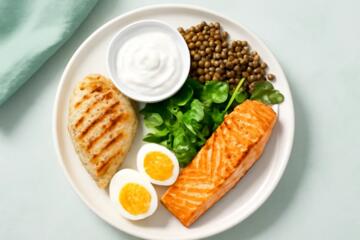
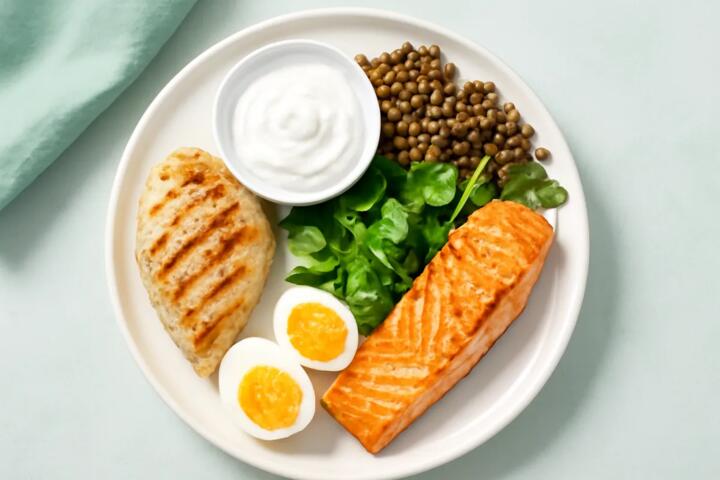
In practical terms, 20 g per meal might look like a serving of Greek yogurt plus a piece of fruit, or a palm-sized portion of lean meat. A 40 g meal might include a larger portion of meat or fish, or a combination such as eggs plus dairy plus a protein-rich side. The key question is how much of that extra protein at one meal translates into additional muscle-building stimulus versus extra amino acids that are used for other body needs or oxidized.
Protein distribution also interacts with meal frequency. If you eat three meals, 20 g per meal totals about 60 g/day. If you eat three meals at 40 g per meal, that totals about 120 g/day. Those totals can differ enough to change outcomes even if the per-meal “distribution” is the only variable you think you are testing.
Common Misconceptions And Risks
A frequent mistake is treating per-meal protein as the only lever. Muscle protein synthesis depends on both the amount of protein you consume and the time since your last protein-containing meal. If you eat 40 g at lunch but go many hours without protein before and after, the overall pattern of amino-acid availability may still be suboptimal.
Another misconception is that more protein at one meal always produces proportionally more muscle gain. After a certain point, the incremental rise in muscle protein synthesis tends to diminish. Mechanistically, muscle cells respond to amino acids—especially leucine—by activating signaling pathways that promote protein synthesis. Once the signal reaches a level that the muscle can use, additional amino acids do not continue to drive the same rate of synthesis.
Digestive and absorption limits also matter. Protein digestion breaks down food proteins into peptides and amino acids, which then enter the bloodstream. Faster-digesting proteins can raise blood amino acids more quickly, while slower-digesting proteins may sustain levels longer. If you consume a very large dose at once, you may increase total amino-acid exposure, but the body still has to allocate those amino acids across multiple uses: building tissue, maintaining existing proteins, producing enzymes and hormones, and meeting energy needs when necessary.
There are also practical downsides to very large per-meal targets. Higher protein meals can increase fullness and reduce the ability to eat enough total calories or carbohydrates for training performance. Some people experience gastrointestinal discomfort when a single meal is very protein-dense, especially if fiber and fat intake are low or if the meal is heavily concentrated in one protein source.
For people with kidney disease, protein targets require medical guidance. Even though most healthy adults can metabolize higher protein intakes, kidney function varies, and “more per meal” can raise total daily intake. This article focuses on general physiology and consumer decision-making, not individualized medical advice.
How To Choose 20g Or 40g
Match Per-Meal Protein To Your Day
Start by setting a daily protein goal based on your circumstances and then distribute it across meals. If your daily target is around 1.2–2.0 g/kg/day for many strength- and muscle-focused adults, then 20 g per meal may fit naturally with three meals, while 40 g per meal may fit with fewer meals or a higher daily target. The distribution matters because muscle protein synthesis responds to repeated protein availability rather than one large dose alone.
In practice, if you currently eat about 60–90 g/day and you switch from 20 g to 40 g per meal without changing the number of meals, your daily total may jump by 60 g. That change can affect satiety, digestion, and training energy needs. A better approach is to keep daily protein consistent while adjusting distribution, then observe tolerance and meal timing.
Relevant tools include a simple food log for 3–7 days and a protein calculator using nutrition labels. Track not only grams of protein but also how meals affect hunger, digestion, and whether you can still eat enough carbohydrates around training.
Realistic outcome expectations: many people notice improved satiety and easier meal planning with a moderate per-meal target, while very large per-meal doses may increase fullness or cause GI symptoms. Muscle changes depend on training consistency and total protein, not only the per-meal number.
Use Protein Quality And Leucine Density
Protein distribution interacts with protein type. Leucine is a key amino acid that helps trigger muscle protein synthesis signaling. Proteins differ in leucine content and digestibility. For many consumers, the practical implication is that 20 g of a high-quality, leucine-rich protein can stimulate muscle protein synthesis effectively, while 40 g of a lower-quality or less leucine-dense protein may not add the same incremental benefit.
In practice, compare meals using common protein sources. Dairy proteins (like milk and yogurt) and whey tend to be rapidly digested and leucine-rich. Lean meats and eggs also provide high-quality amino acids, while some plant-based proteins may require larger servings or combinations to match amino-acid profiles.
Relevant methods include “protein per serving” planning and mixing sources across meals. If you choose plant-based meals, pair legumes with grains or use a protein source with a more complete amino-acid profile to avoid relying on a single low-leucine meal.
Realistic outcome expectations: you may achieve similar muscle-building stimulus with moderate per-meal protein if the protein is high quality and consumed at times that break up long protein gaps.
Time Meals Around Training And Protein Gaps
Muscle protein synthesis responds to the time since the last protein dose. If you eat 20 g at breakfast, 20 g at lunch, and 20 g at dinner, you create shorter gaps than if you eat 40 g at lunch and then only small protein portions at other times. Shorter gaps can help maintain amino-acid availability and reduce periods of low stimulation.
In practice, aim to include a protein-containing meal or snack every 3–5 hours during waking time, especially if you train. If you train in the morning and your first protein meal is late, adding a moderate protein dose earlier can reduce the length of the pre-training protein gap.
Relevant tools include a meal schedule and a “protein gap” check. Write down the times you eat protein and count the longest interval without protein. If that interval is long, distribution changes may matter more than increasing a single meal from 20 g to 40 g.
Realistic outcome expectations: many people tolerate 20–30 g per meal more comfortably across multiple feedings, while 40 g can work when meals are spaced appropriately and digestion is comfortable.
Watch Tolerance And Total Calories
Large per-meal protein doses can affect appetite and digestion. If 40 g per meal leads to reduced carbohydrate intake, training performance may drop because carbohydrates support high-intensity work and glycogen replenishment. Protein also competes with other macronutrients for space in the meal.
In practice, test changes gradually. For example, move from 20 g to 30 g per meal for several days, then decide whether 40 g is tolerable and whether it changes your ability to eat enough total calories. If you experience bloating, reflux, or diarrhea, reduce the per-meal dose and spread protein across more feedings.
Relevant methods include tracking gastrointestinal symptoms and training metrics such as perceived exertion or workout volume. If performance declines after increasing per-meal protein, the issue may be meal composition and energy balance rather than protein itself.
Realistic outcome expectations: most healthy adults can digest moderate-to-high protein meals, but individual tolerance varies. Comfort and consistency often matter more than chasing a specific gram number.
Educational Case Examples
Case 1: Three Meals, Moderate Protein
Alex trains resistance-style workouts three to four times per week and eats three meals daily. Their current pattern is about 20 g protein at breakfast, 20 g at lunch, and 25 g at dinner, totaling roughly 65 g/day. Alex wants to increase muscle gain but struggles to eat large portions at dinner. A practical adjustment is to keep dinner moderate (around 25–30 g) and add protein at breakfast or lunch, rather than jumping to 40 g at one meal. This preserves total daily protein while reducing long protein gaps and improving meal tolerance.
Case 2: Two Meals, Higher Per-Meal Protein
Sam works long shifts and eats two larger meals daily. Sam’s daily protein target is higher because of body size and training goals, and Sam currently eats about 40 g at each meal. Sam considers increasing to 50–60 g per meal to reach the daily total. A more cautious approach is to confirm the daily total first, then test whether 40 g per meal already meets the target. If the daily total is short, adding a small protein-containing snack between meals may be better tolerated than increasing a single meal dose.
20g Vs 40g Per Meal Checklist
| Decision Point | 20g Per Meal Fits Better When | 40g Per Meal Fits Better When | What To Recheck |
|---|---|---|---|
| Meal Frequency | You eat 3–4 protein-containing feedings/day | You eat 2 meals/day and can tolerate larger portions | Longest gap without protein |
| Daily Protein Target | Your daily total lands in a reasonable range without overshooting | You need higher daily grams and meals are limited | Total grams/day, not just per meal |
| Digestion And Comfort | You feel better with smaller, repeat doses | You tolerate larger protein loads without GI symptoms | Bloating, reflux, stool changes |
| Training Energy Needs | You can still eat carbohydrates around workouts | You can maintain total calories and carbs | Workout performance and appetite |
If you want a step-by-step decision support approach, use this checklist: (1) Calculate your current daily protein from labels for 3 days. (2) Choose a per-meal target that matches your meal frequency without pushing daily intake far higher than intended. (3) Keep protein quality consistent while you test distribution for 1–2 weeks. (4) Monitor digestion, hunger, and training performance. (5) Adjust distribution before changing protein sources or adding large supplements.
Common Mistakes To Avoid
People often increase per-meal protein without checking total daily intake. That can lead to a higher calorie surplus or reduced carbohydrate intake, which changes training and body composition outcomes.
Another mistake is relying on protein grams alone while ignoring meal timing. If protein is concentrated into one meal and other meals contain little protein, the body experiences longer amino-acid gaps, which can reduce the frequency of muscle protein synthesis stimulation.
Some consumers choose 40 g per meal using a single protein source that they tolerate poorly. If digestion becomes uncomfortable, the practical outcome is lower adherence, which usually matters more than theoretical amino-acid exposure.
Finally, people sometimes treat protein distribution as a substitute for resistance training. Protein supports the building process, but muscle adaptation depends on progressive overload and recovery. Distribution changes may not overcome weak training stimulus or insufficient total energy intake.
FAQ
Is 40g Protein Per Meal Always Better?
Not automatically. Muscle protein synthesis often rises after protein intake and then tapers, so extra grams at one meal may add less incremental stimulus than spreading protein across multiple feedings, especially if it increases total daily intake or reduces carbohydrate intake.
Will 20g Per Meal Build Muscle?
20 g per meal can support muscle protein synthesis when daily protein is adequate and meals are spaced to reduce long protein gaps. The response depends on protein quality, leucine content, and overall training and recovery.
How Many Meals Should Include Protein?
Many people do well with protein-containing feedings every few hours during waking time. The best pattern depends on your schedule, but shorter gaps without protein often help maintain a more frequent amino-acid signal.
Does Protein Type Change The Answer?
Yes. Leucine density and digestion speed differ across protein sources. A moderate dose of a leucine-rich, well-digested protein can perform differently than a larger dose of a less leucine-dense source.
Can Higher Protein Per Meal Cause Side Effects?
Some people experience bloating, reflux, or diarrhea with very protein-dense meals. Higher per-meal protein can also reduce appetite for carbohydrates, which may affect training performance.
Author's Insight
Protein distribution affects muscle protein synthesis through both dose and timing. After protein intake, muscle cells receive amino acids that trigger synthesis signaling; the response tends to diminish as the dose increases, which is why spreading protein across meals can matter as much as the per-meal number. In consumer settings, the most reliable approach is to match per-meal protein to your meal frequency, keep daily protein within your intended range, and prioritize protein sources you tolerate well. If you have kidney disease or other medical conditions, per-meal protein targets should be discussed with a qualified clinician.
Key Takeaways
- Per-meal protein changes the pattern of amino-acid availability, but total daily protein and meal timing often drive outcomes.
- 20 g per meal can work well when meals are frequent enough to avoid long protein gaps.
- 40 g per meal can fit schedules with fewer meals, but incremental benefit may taper and digestion or appetite can worsen.
- Choose a distribution that you can repeat consistently while maintaining training energy needs and comfort.