Soluble Vs Insoluble Fiber
Fiber is a group of carbohydrate types that the small intestine cannot fully digest. Gut bacteria ferment some fibers, while other fibers pass through with minimal fermentation. Soluble fiber dissolves in water and forms a gel-like material, which slows digestion and can change how the body handles glucose and bile acids. Insoluble fiber does not dissolve in water and tends to add bulk and speed up stool movement, which can affect constipation and regularity.
In real meals, the two types often appear together. Oats contain more soluble fiber, while wheat bran is richer in insoluble fiber. Beans and lentils include both, with a higher share of fermentable fibers than many grains. Fruit and vegetables contribute mixed fiber, with the exact balance depending on variety and preparation.
Practical examples help translate this into daily choices. If someone notices that refined-grain breakfasts lead to hunger soon after eating, adding oats, chia, or beans can change the post-meal glucose curve. If someone has hard stools or infrequent bowel movements, adding bran, vegetables, and whole grains can increase stool bulk and water content. The same person may benefit from both types, depending on symptoms and diet pattern.
Common Fiber Intake Mistakes
Many people treat fiber as a single nutrient and focus only on total grams. That approach misses differences in fermentation and physical effects. Soluble fiber tends to gel and ferment, which can influence blood sugar and cholesterol-related pathways. Insoluble fiber tends to increase stool bulk and speed transit, which can change constipation patterns. When the wrong fiber type is emphasized for a specific problem, people may feel bloated without seeing the intended bowel or metabolic effect.
Another frequent mistake is increasing fiber too quickly. Gut bacteria need time to adapt to higher fermentable substrates. Rapid increases can cause gas, abdominal cramping, and loose stools, especially when the diet also includes more sugar alcohols or highly processed foods. Gradual increases reduce symptoms for many people because the microbiome and intestinal motility adjust over days to weeks.
Some people rely on fiber supplements without considering hydration. Insoluble fiber and bran products can absorb water and increase stool bulk. If fluid intake is low, stool may remain hard and uncomfortable. This is one reason fiber changes sometimes worsen constipation when water intake does not rise alongside fiber.
Others underestimate the role of overall diet quality. A diet high in refined grains and low in micronutrients can still raise fiber intake with supplements, but it may not address the full pattern of digestion and appetite regulation. Whole-food sources also bring fats, proteins, and plant compounds that interact with gut function.
There are also situations where fiber needs extra caution. People with known inflammatory bowel disease flares, intestinal strictures, or severe swallowing or motility disorders may require individualized guidance. In these cases, high-fiber foods can worsen symptoms by increasing luminal bulk. Persistent pain, blood in stool, unexplained weight loss, anemia, or vomiting are reasons to seek medical evaluation rather than adjusting fiber alone.
How To Choose Fiber Types
Match Fiber To Your Goal
Start by identifying the main outcome you want to influence. For constipation with hard, dry stools, insoluble fiber and overall stool bulk often matter, along with adequate fluids. For post-meal glucose spikes or cholesterol concerns, soluble and fermentable fibers are more relevant because they form gels and are fermented into short-chain fatty acids. People who want both bowel regularity and metabolic effects often do best with a mixed approach using oats, beans, fruit, and vegetables rather than a single fiber source.
In practice, a mixed plate can look like this: breakfast with oats or chia plus fruit; lunch with lentils or chickpeas and vegetables; dinner with a whole grain side plus a non-starchy vegetable. If symptoms appear after a change, the adjustment is usually to slow the increase and check whether the new foods are high in fermentable fibers.
Realistic expectations matter. Fiber changes often affect stool consistency within days, while effects on cholesterol-related markers and glucose responses may take weeks. If there is no change after several weeks at a tolerable intake level, the issue may be diet pattern, hydration, medication effects, or an underlying condition that needs separate evaluation.
Increase Gradually With Fluids
To reduce gas and cramping, increase fiber slowly over 1–3 weeks rather than adding a large amount at once. A practical target is to add roughly 3–5 grams of fiber per day every few days, then reassess symptoms. Hydration supports both soluble and insoluble fiber because stool water content depends on fluid availability and intestinal transit.
What it looks like in practice: if you currently eat little fiber, begin with one change such as swapping white bread for whole grain bread or adding a serving of beans at one meal. Keep the rest of the diet stable for several days. If stools become loose, reduce the rate of increase and consider whether the new foods are very fermentable for you.
Tools that help include food labels, a fiber-tracking app, and simple meal planning. Many packaged foods list fiber grams per serving, which makes it easier to estimate daily intake. If using supplements, follow label directions and avoid stacking multiple high-dose products at the same time.
Use Food Examples For Each
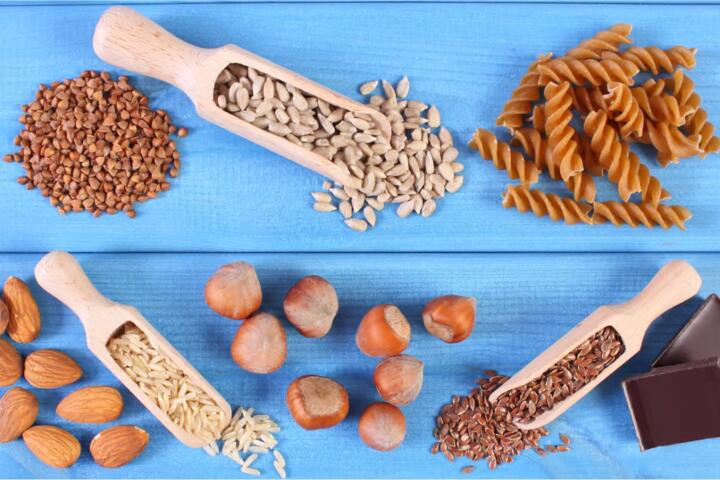
Soluble-fiber-rich options include oats, barley, beans, lentils, chia, flaxseed, and many fruits such as apples and citrus. These foods often gel or ferment, which can slow digestion and influence bile acid handling. Insoluble-fiber-rich options include wheat bran, many whole-grain products, and some vegetables with fibrous skins or stems. These foods add bulk and can speed transit.
In practice, you can design meals around these categories. For soluble fiber, try oats at breakfast or add lentils to soups. For insoluble fiber, include whole grains and vegetables at lunch and dinner, and choose whole fruit rather than juice. For mixed fiber, beans and many vegetables cover both bases.
Be cautious with very high-fiber additions if you are sensitive. Large servings of beans or bran can cause significant gas in some people. Smaller portions spread across the day often cause fewer symptoms than one large serving.
Consider When Fiber Needs Caution
Fiber is not a universal fix, and some medical conditions change how the gut handles bulk. People with intestinal strictures, bowel obstruction risk, or active severe inflammatory flares may need tailored advice from a clinician. In these settings, high-fiber foods can worsen discomfort by increasing luminal volume.
Medication interactions can also matter. Some people take medications that affect bowel motility or fluid balance, which can change how fiber behaves. If fiber changes cause persistent diarrhea, severe cramping, or worsening constipation despite adequate fluids, the next step is to stop escalating fiber and seek medical guidance.
Red-flag symptoms include blood in stool, black tarry stools, unexplained weight loss, fever, persistent vomiting, severe abdominal pain, or anemia. These symptoms require evaluation rather than dietary adjustment alone.
Case Examples For Real Life
Example 1: Constipation With Hard Stools
A person reports infrequent bowel movements and hard stools after switching to a higher-protein diet with fewer whole grains and vegetables. They add one serving of vegetables at lunch and choose whole-grain bread at breakfast. Over the next week, they also include a bran-based cereal or a whole-grain side at dinner and increase water intake. Stool frequency improves and stools become softer, suggesting that bulk and hydration were limiting factors. They still avoid sudden large increases in bran because gas and cramping appear when fiber jumps too quickly.
Example 2: After-Meal Glucose Spikes
A person notices strong hunger soon after breakfast made with refined grains. They replace the breakfast with oats and add a serving of berries. Over several weeks, they report steadier energy between meals and fewer cravings. They also include beans at lunch to increase fermentable fiber intake. The improvement aligns with soluble and fermentable fiber effects on digestion rate and glucose absorption, while they keep portion sizes moderate to limit bloating.
Soluble Vs Insoluble Comparison
| Fiber Type | Typical Food Sources | Main Gut Effects | Common Pitfalls |
|---|---|---|---|
| Soluble | Oats, barley, beans, lentils, chia, flax, many fruits | Forms a gel, slows digestion, is fermented by gut bacteria | Gas and bloating when increased quickly; may worsen symptoms in some sensitive conditions |
| Insoluble | Wheat bran, whole grains, fibrous vegetables | Adds bulk, increases stool weight, can speed transit | Constipation if fluids stay low; discomfort if portions jump suddenly |
| Mixed Intake | Beans, lentil soups, whole grains with vegetables, whole fruit | Balances stool consistency with fermentation effects | Overcorrecting with supplements instead of adjusting food pattern |
Common Mistakes
One mistake is choosing fiber sources that match a label claim but not the body’s tolerance. For example, a person who is sensitive to fermentable fibers may feel worse after switching from whole grains to a high-dose inulin supplement, even if the total fiber grams increase.
Another mistake is relying on juice instead of whole fruit. Juice provides less fiber because the pulp and fiber structure are removed, which reduces the soluble and insoluble fiber contribution.
People also sometimes ignore the role of total calories and meal composition. Adding fiber without adjusting refined carbohydrate intake can still leave glucose responses high, because fiber grams alone do not replace the effects of added sugar or low protein and fat balance.
Finally, some people stop after one week because symptoms change quickly. Gas may appear early and then settle as the microbiome adapts. If symptoms are mild and improving, a slower ramp-up often works better than abandoning fiber entirely.
FAQ
How much fiber should I aim for daily?
Daily targets vary by age and sex, and individual needs depend on diet and tolerance. A practical approach is to increase toward a higher-fiber pattern over time while monitoring stool consistency and abdominal comfort.
Can soluble fiber help with cholesterol?
Soluble fiber can bind bile acids and is fermented into short-chain fatty acids, which may influence cholesterol-related pathways. The size of the effect varies by fiber type, dose, and overall diet, so results are not identical across people.
Why does fiber sometimes cause gas or bloating?
Fermentable fibers are broken down by gut bacteria, producing gas as a byproduct. Rapid increases, large single servings, and certain food additives can raise gas production before the gut adapts.
Is insoluble fiber better for constipation?
Insoluble fiber adds bulk and can increase stool weight, which may help constipation in some people. If constipation is driven by low fluid intake, low overall fiber, or medication effects, insoluble fiber alone may not be enough.
When should I avoid increasing fiber on my own?
Seek medical advice before increasing fiber if you have severe abdominal pain, vomiting, blood in stool, black stools, unexplained weight loss, anemia, or symptoms suggesting bowel obstruction or strictures.
Author's Insight
Soluble and insoluble fiber differ in how they interact with water, digestion speed, and gut fermentation. Soluble fiber tends to gel and ferment, which can influence glucose handling and bile-related processes, while insoluble fiber tends to add bulk and affect transit time. In practice, the most reliable strategy is a gradual increase using mixed food sources, paired with adequate hydration. If symptoms worsen or do not improve after a cautious ramp-up, the next step is to reassess the diet pattern and consider medical evaluation for persistent or red-flag symptoms.
Key Takeaways
- Soluble fiber gels and ferments; insoluble fiber adds bulk and can speed transit.
- Choose fiber based on the outcome you want, but mixed intake often covers more than one goal.
- Increase fiber gradually and drink enough fluids to reduce gas and constipation.
- Persistent severe symptoms or red flags require medical evaluation rather than further fiber changes.