Home Tests Explained
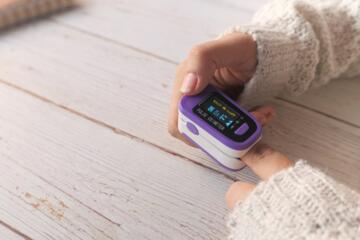
At-home health tests give people a way to collect health information without visiting a clinic first. These products range from finger-prick blood tests and wearable sensors to saliva kits that examine genetic traits. They can answer some questions, but they cannot replace a medical evaluation when symptoms or abnormal results appear.
The home testing market has expanded as consumers seek faster access to personal health data. Companies such as :contentReference[oaicite:0]{index=0}, :contentReference[oaicite:1]{index=1}, and :contentReference[oaicite:2]{index=2} offer tests covering areas such as genetics, hormones, cholesterol, and infectious diseases.
Accuracy depends on the test type, sample collection, laboratory methods, and the reason someone takes the test. A home blood pressure reading may reveal a useful trend over several weeks, while a single hormone measurement may require more context before it means anything.
Numbers need interpretation.
The U.S. Food and Drug Administration has reviewed many over-the-counter diagnostic products, including certain COVID-19 tests and glucose monitoring devices. A result from a regulated test still requires careful reading because false positives and false negatives remain possible.
For example, a home cholesterol test showing elevated LDL cholesterol may encourage a person to discuss diet, medication, and cardiovascular risk with a clinician. The number itself does not explain why cholesterol changed or what action fits that person’s health history.
Home testing works best as one source of information among several sources, including medical history, physical examination, symptoms, and repeated measurements.
Common Problems
Many people assume a test result gives a complete picture of their health. A single measurement rarely captures the full situation because biology changes throughout the day, across seasons, and during illness.
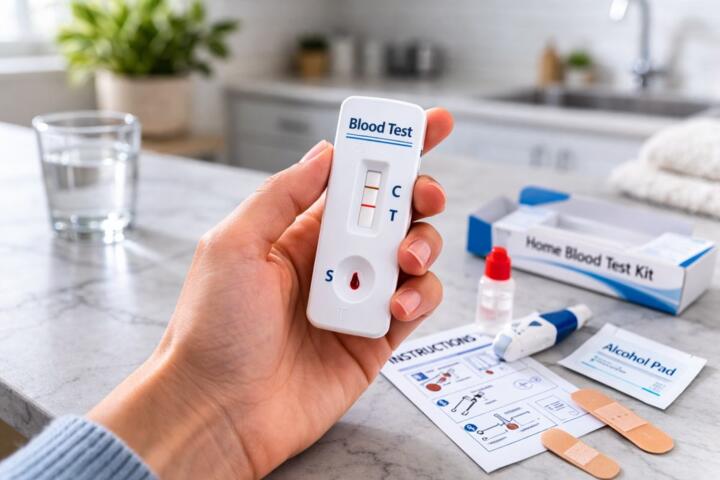
Sample collection creates another challenge. A poorly collected saliva sample, incorrect finger-prick technique, or delayed shipping may affect laboratory results. Some users, which frankly many people skip, never read the collection instructions carefully.
False reassurance can become a problem. A normal home test does not always rule out disease, especially when symptoms continue. Someone experiencing chest pain, unexplained weight loss, or persistent fatigue needs medical attention rather than relying only on a home kit.
False alarms create different problems.
A consumer may receive a result outside the expected range and assume something serious has happened. Some genetic tests reveal risk markers linked with conditions that depend on many factors, including lifestyle and family history.
Another issue involves test timing. A vitamin D level measured after a month of supplementation may differ from a result taken before changes began. Hormone levels can vary during the day, making some measurements difficult to interpret without proper timing.
Privacy also matters. Genetic testing companies collect sensitive biological information, and users should review data policies before submitting samples. A company’s privacy settings, storage practices, and research options may change over time.
Better Test Use
Choose The Right Test
Select a test based on a clear question rather than curiosity alone. Someone checking blood pressure because of a family history of hypertension has a different goal from someone buying a broad wellness panel without symptoms.
Look at the test’s intended use, laboratory certification, and evidence behind the measurement. A glucose meter designed for diabetes monitoring has a different role from a consumer wellness device estimating metabolic trends.
The American Diabetes Association recommends blood glucose monitoring approaches based on individual medical needs rather than general interest. A test should connect to a decision you may make afterward.
Check Test Quality
Review how the sample is collected, processed, and analyzed. Tests using certified laboratories usually follow quality controls that reduce avoidable errors.
For blood tests, examine whether the company uses accredited labs and explains measurement methods. Some services list laboratory partners, while others provide limited information, which can make comparison harder.
A quick check of the company website, regulatory information, and customer instructions can reveal how transparent the testing process is.
Track Trends Over Time
Repeated measurements often offer more useful information than a single result. Blood pressure is a good example because readings can change with stress, caffeine intake, exercise, and sleep quality.
A person monitoring blood pressure at home may take readings twice daily for 7 days and share the record with a healthcare professional. That pattern gives more context than one reading taken during an anxious appointment.
Skip random testing.
Testing without a reason can create confusion. A simple tracking plan with dates, symptoms, medications, and lifestyle changes creates a clearer record.
Understand Genetic Data
DNA tests can identify genetic variants linked with certain traits or disease risks, but they do not predict the future with certainty. Many health conditions develop through interactions between genes, environment, and behavior.
A genetic result showing increased risk for a condition may lead to preventive conversations with a clinician. It does not mean the condition will occur.
Companies such as :contentReference[oaicite:3]{index=3} and 23andMe have made consumer genetic testing widely available, but users should understand privacy choices before sharing DNA data.
Use Medical Follow-Up
Abnormal home test results need context before decisions are made. A cholesterol value, thyroid marker, or hormone reading may require repeat testing through a clinic before treatment choices are considered.
Bring records to appointments instead of relying on memory. A blood pressure log from a home device, including dates and times, can help a clinician identify patterns that appear outside the office.
Do not ignore symptoms because a home test looks normal. Some conditions require physical examination, imaging, or specialized laboratory work that consumer products cannot perform.
Protect Personal Data
Health information from home tests deserves careful handling. Genetic data, laboratory results, and wellness records reveal details that many people would not share casually.
Review privacy settings before creating an account. Some services offer research participation options, data sharing controls, or account deletion features, but policies differ between companies.
I reviewed a consumer testing platform update in 2024 where privacy settings had changed after a software revision. Small changes like that are easy to miss.
Mini Cases
Case 1 – Home blood pressure tracking
A 58-year-old office worker noticed occasional headaches and bought a validated home blood pressure monitor. The first reading was high, but repeated measurements over 14 days showed a pattern linked with work stress and poor sleep. The person shared the record with a physician, who confirmed elevated blood pressure and discussed lifestyle changes and treatment options.
Case 2 – Genetic screening decision
A woman in her 40s used a consumer DNA health report after learning that a close relative had a hereditary condition. The report identified a possible risk marker, but the result required confirmation through clinical genetic testing. The follow-up test changed the interpretation and guided a more appropriate discussion with a specialist.
Test Comparison
| Test | Shows | Limit | Next Step |
|---|---|---|---|
| BP Check | Pressure | Single value | Track |
| DNA Test | Risk clues | Needs context | Review |
| Blood Test | Markers | Timing effects | Confirm |
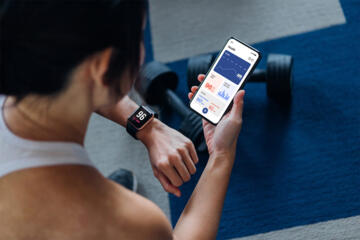
| Wearable | Trends | Estimates | Compare |
Common Mistakes
Testing without a goal. Why it happens: online advertising often encourages broad health checks. Impact: users may receive numbers without knowing what action follows. How to avoid it: choose tests connected to a specific question.
Ignoring instructions. Why it happens: sample collection seems simple. Impact: poor technique may affect accuracy. How to avoid it: read every step before collecting a sample and repeat the test if instructions were not followed.
Treating results as diagnoses. Why it happens: numbers appear objective. Impact: people may delay care or worry unnecessarily. How to avoid it: use results as information for discussion, not as a replacement for medical assessment.
Buying too many tests. Why it happens: more data feels reassuring. Impact: repeated unnecessary testing can create anxiety and expenses. How to avoid it: measure only what connects to a health decision.
FAQ
Are at-home health tests accurate?
Accuracy depends on the test type, sample collection method, and laboratory process. Some home tests, such as certain glucose monitors and pregnancy tests, have strong evidence when used correctly. Other wellness tests may have more limited clinical support. Check regulatory status, testing methods, and instructions before interpreting results.
Can a home test replace a doctor visit?
No. Home tests can add information but cannot replace a medical evaluation. A clinician considers symptoms, medical history, examination findings, and other test results. A normal home result does not always rule out illness, especially when symptoms continue or worsen.
What home tests are worth doing?
The answer depends on your health goals and risk factors. Blood pressure monitoring, certain glucose tests, and some screening tests may have clear uses for selected groups. Broad testing without a reason often creates confusing results that require extra interpretation.
Can DNA tests predict disease?
DNA tests can identify genetic variants associated with some health risks, but they cannot predict disease with certainty. Many conditions involve multiple genes and environmental factors. A concerning result may require confirmation through clinical testing and discussion with a qualified healthcare professional.
How should I read home test results?
Start by checking the reference range, testing method, and collection date. Compare results with previous measurements when possible. A single abnormal number may need repeat testing or professional review before any health decision is made.
Author's Insight
I view home health tests as information tools rather than final answers. In reviewing health data systems, I have found that the most useful results are those connected to a clear question and a practical next step. My advice is to learn what a test measures before purchasing it. Data becomes useful when paired with good interpretation.
What to Remember
At-home health tests can reveal useful information about trends, risks, and certain body measurements, but their limits matter. Choose tests with a clear purpose, follow collection instructions, protect personal information, and discuss unusual results with a healthcare professional. Good health decisions come from combining personal data with proper medical judgment.