Popular Articles
 Sleep
02.10.2026
Sleep
02.10.2026
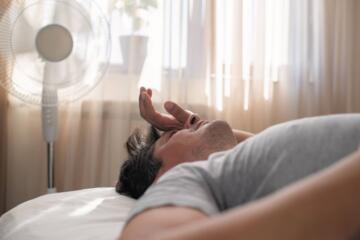
Bedroom Temperature: What Studies Actually Measure
Bedroom temperature affects sleep comfort, breathing, and next-day functioning, but many articles treat “the ideal temperature” as a single number. This guide explains what temperature studies actually measure, how they define “bedroom,” and why results differ across people and seasons. You’ll learn how to interpret common findings, what to measure at home, and how to avoid misleading conclusions from lab-style or short-term studies.
 Sleep
26.09.2026
Sleep
26.09.2026
Naps: 20 vs 60 vs 90 Minutes Compared
Naps can help with alertness, but timing changes what sleep stages you reach. This article compares 20, 60, and 90 minute naps using sleep-cycle biology, including sleep inertia and how long grogginess may last. It’s for people who nap for work, study, shift schedules, or recovery from short sleep. You’ll learn what each nap length tends to do, who should be cautious, and how to choose a practical nap plan.
 Sleep
20.09.2026
Sleep
20.09.2026
Sleep Regularity: Why Timing May Matter
Sleep regularity focuses on keeping consistent sleep and wake times. This guide explains how timing affects circadian rhythms, sleep pressure, and next-day alertness, with practical examples for travelers and shift workers. You’ll learn common mistakes that disrupt timing, how to plan a schedule change safely, and what to track using simple tools. The article also includes educational scenarios, a decision checklist, and a short FAQ for readers searching for evidence-based guidance.
 Sleep
14.09.2026
Sleep
14.09.2026
Circadian Phase: Light Timing vs Sleep Timing
Circadian phase depends on when the brain receives light and when the body sleeps. This article explains how light timing and sleep timing can shift the internal clock in different directions, why common schedules create jet-lag-like effects, and how to plan changes using practical steps. It’s for people adjusting shift work, weekend sleep, or travel schedules who want to understand what to track and what trade-offs to expect.
 Sleep
08.09.2026
Sleep
08.09.2026
Sleep Debt: Can Lost Sleep Actually Be Repaid?
Sleep debt is the gap between the sleep you get and the sleep your body needs. People often try to “pay it back” with weekend catch-up or longer naps, but the biology of sleep pressure and circadian timing makes repayment less simple. This article explains what sleep debt is, why missed sleep affects alertness, mood, and metabolism, and what catch-up can and cannot do. You’ll also find practical steps, realistic expectations, and common mistakes to avoid.
 Sleep
02.09.2026
Sleep
02.09.2026
REM vs Deep Sleep: What Wearables Can Estimate
Wearables often report “REM” and “deep sleep,” but the numbers come from sensors and algorithms rather than direct brain measurements. This article explains how REM and deep sleep differ, why wrist-based estimates can drift, and what patterns are more trustworthy for tracking sleep over time. You’ll learn how to interpret common wearable graphs, what to check in your data, and when to treat sleep-stage results as approximate rather than factual.
 Sleep
27.08.2026
Sleep
27.08.2026
Sleep Latency: Normal Range vs Measurement Error
Sleep latency is the time it takes to fall asleep after you get into bed. This article explains typical ranges people use for sleep studies and home tracking, then shows why the number can shift due to measurement error. You’ll learn how sleep latency is estimated, what can distort it (sleep fragmentation, caffeine timing, device limits), and how to interpret trends rather than single values. It’s for readers tracking insomnia, shift work, or sleep schedule changes.
 Sleep
21.08.2026
Sleep
21.08.2026
Sleep Efficiency: How It Is Calculated From Sleep Data
Sleep efficiency is a sleep-tracking metric that compares time spent asleep with time spent in bed. It helps people interpret wearable or app sleep reports, especially when they feel they “slept poorly” despite a long time in bed. This article explains what sleep efficiency means, how it is calculated from common sleep data, where the numbers can mislead, and how to use the metric alongside total sleep time, awakenings, and sleep latency for better self-monitoring.
 Sleep
13.08.2026
Sleep
13.08.2026
How to Build a Wind-Down Routine That Works
Falling asleep is often easier when you give your body a clear signal that the day is winding down. This practical guide shows you how to build a simple nightly routine that helps your mind slow down and your nervous system shift into “rest mode.” You’ll learn how to choose the right timing, set up a sleep-friendly environment, and pick a few calming habits—like light stretching, reading, or a warm shower - without turning bedtime into a complicated project. It’s made for adults who want a steadier evening rhythm and more consistent, better-quality sleep.
 Sleep
07.08.2026
Sleep
07.08.2026
How Sleep Affects Memory Over the Long Term
Sleep isn’t just “down time” for your body - it’s when your brain does some of its most important behind-the-scenes work. While you’re in deeper stages of sleep, your brain helps sort what you learned during the day, strengthens important memories, and clears out mental clutter so you can focus better tomorrow. In this guide, you’ll learn how deep sleep supports learning and recall, what everyday habits can quietly sabotage your sleep, and simple, realistic changes you can make to sleep more soundly and protect your brain over the long run.