Healthy Aging Starts
Your 30s are a useful point to build aging-well habits because many biological changes begin gradually during this decade. Muscle mass, recovery speed, and metabolic flexibility may start shifting, while years of sleep patterns, food choices, and activity levels begin leaving measurable effects.
Aging well does not mean chasing a younger version of yourself. It means creating conditions where your body and mind continue performing well at 50, 60, and beyond. A person who begins strength training at 35, for example, gives their future self a larger physical reserve than someone who waits until mobility declines.
Research from the National Institute on Aging shows that regular physical activity supports healthy aging, with adults benefiting from at least 150 minutes of moderate activity each week. The habits built in your 30s often become the routines that carry into later decades.
Common Mistakes
Many adults treat their 30s as a period where health can be repaired later. That mindset creates problems because small issues often grow quietly. A 10-year pattern of poor sleep, limited movement, and high stress can become harder to reverse at 45.
Another mistake is focusing only on appearance. A lower number on a scale does not always reflect better aging. Muscle strength, cardiovascular fitness, bone health, and mental resilience often matter more than body weight alone.
Skip extreme plans. They rarely last.
People also underestimate recovery. A 32-year-old who trains hard 6 days per week but sleeps 5 hours may create unnecessary strain rather than progress. Sustainable aging habits require attention to what happens between workouts, not only during them.
Daily Aging Habits
Build Muscle Early
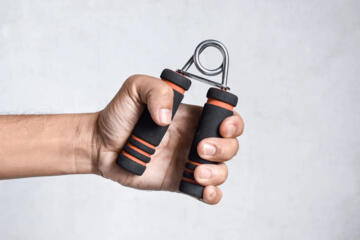
Strength training deserves a place in your weekly routine because muscle naturally declines with age. Adults can begin with 2 to 3 resistance sessions per week using weights, resistance bands, or bodyweight exercises.
Exercises such as squats, rows, presses, and carries train movements used in daily life. A person who can lift a 20 kg object safely at 40 has a better foundation for maintaining independence later.
Organizations such as the American College of Sports Medicine recommend resistance training for adults across age groups. The goal is not bodybuilding; it is maintaining capacity.
Protect Sleep Quality
Sleep becomes a health priority in your 30s because work demands, family responsibilities, and digital habits often compete with recovery time. Most adults function best with around 7 to 9 hours of sleep each night.
A consistent wake time helps regulate your internal clock. For example, waking at 7 AM on weekdays and weekends creates more stability than changing schedules by 3 hours every Saturday.
Reduce late-night stimulation. Your brain notices.
Eat For Longevity
Nutrition habits in your 30s influence energy levels, body composition, and disease risk over time. A Mediterranean-style eating pattern, studied extensively for heart health, emphasizes vegetables, legumes, whole grains, fish, and healthy fats.
Protein intake deserves attention because active adults often need more than they expect. Many experts suggest roughly 1.2 to 2.0 grams of protein per kilogram of body weight for people engaged in regular strength training.
I often recommend tracking meals for 7 days with an app like :contentReference[oaicite:0]{index=0}, not as a permanent habit but as a way to notice patterns.
Train Your Brain
Healthy aging includes cognitive maintenance. Learning new skills, reading regularly, and challenging your memory create mental stimulation that supports long-term brain function.
A 30-minute learning session 4 times per week can become a practical habit. Try a language course, musical instrument, professional skill, or strategy-based game.
Keep curiosity active, because mental decline rarely begins with a single dramatic moment...
Schedule Health Checks
Preventive healthcare becomes more useful in your 30s because early detection often changes outcomes. Routine blood pressure checks, cholesterol screening, dental visits, and discussions with your doctor help identify risks before symptoms appear.
The U.S. Preventive Services Task Force recommends screening decisions based on age, risk factors, and personal history. A 35-year-old with a family history of heart disease may need different conversations than someone without those factors.
Use your calendar. Future you benefits.
Improve Stress Recovery
Stress management is part of aging well because chronic stress affects sleep, mood, and daily behavior. A person under constant pressure may skip exercise, rely on convenience foods, and lose healthy routines.
Simple recovery practices work because they reduce friction. A 10-minute walk after work, a short breathing session, or a device-free evening routine can create space between stress and reaction.
Apps like :contentReference[oaicite:1]{index=1} offer guided exercises, although finding a method you actually repeat matters more than the tool itself.
Real Life Cases
A 34-year-old marketing manager noticed lower energy and reduced fitness after several years of desk work. She started with 2 strength sessions weekly, increased daily walking from 3,000 to 8,000 steps, and prepared lunches at home 4 days per week.
After 6 months, she lost 7 kg, improved her resting heart rate, and reported fewer afternoon energy crashes. The change came from repeated small decisions rather than a short-term challenge.
A technology company introduced wellness changes for employees in their early and mid-30s after noticing rising burnout reports. The company added standing desks, walking meetings, and protected focus periods.
After 1 year, employee surveys showed improved energy ratings and fewer reported sleep problems. The program worked because it changed the environment, not because it demanded more discipline.
Habit Checklist
| Habit | Target | Reason |
| Strength | 3 days | Muscle |
| Walking | 8k steps | Heart |
| Sleep | 7-9 hrs | Recovery |
| Checkups | Yearly | Prevention |
FAQ
What habits should I start in my 30s?
Focus on strength training, quality sleep, balanced nutrition, regular movement, stress recovery, and preventive healthcare.
Can I improve my health after 30?
Yes. The body remains adaptable throughout adulthood, and consistent habits can improve fitness, energy, and health markers at any age.
How often should I exercise in my 30s?
Aim for weekly movement that includes aerobic activity and resistance training at least 2 times per week.
What foods support healthy aging?
Foods rich in plants, protein sources, fiber, and healthy fats support energy regulation and long-term health.
Should I track health habits?
Tracking can help identify patterns. A simple notebook, smartwatch, or app may work if it does not create extra stress.
Author's Insight
I have seen many people wait for a health warning before changing their routines. Starting in your 30s gives you time to build strength and habits without rushing.
My preference is to focus on repeatable actions rather than perfect plans. A 30-minute workout completed 3 times weekly beats an ambitious program abandoned after 2 weeks.
I also pay attention to mobility because it is often ignored until problems appear. Maintaining the ability to move well is one of the best gifts you can give your older self.
Key Points
Aging-well habits in your 30s are built through repeated choices around movement, nutrition, sleep, stress, and preventive care. Small actions gain power when they continue for years.
Start with one change this month: schedule strength training, improve your bedtime, walk more, or book a health check. The habits you create now shape the options you have later.