Sleep Changes Over Time
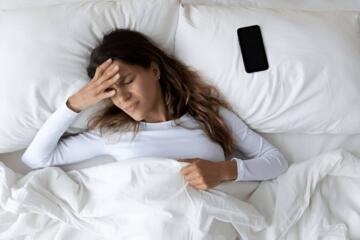
Sleep evolves as we grow older. People over the age of 60 often report lighter, more fragmented sleep compared to their younger years. Research shows adults spend up to 20% less time in deep sleep stages past middle age, shifting toward lighter stages. This transition can start as early as the 40s, even if total sleep duration remains similar. For example, an adult in their 30s might spend 90 minutes in deep sleep; after 60, that drops below 60 minutes on average.
Age-related slowing of brain activity reduces deep sleep, which plays a vital role in memory consolidation and physical restoration. Beyond brain changes, circadian rhythm shifts contribute by advancing sleep timing—people feel sleepy earlier and wake up too soon. Many notice waking earlier than planned, often unable to fall back asleep.
Sleep latency, or the time it takes to fall asleep, varies but often increases slightly with age due to changes in melatonin hormone levels. Even so, older adults sometimes fall asleep easily but wake repeatedly, highlighting a distinct pattern from younger adults. Sleep apnea and restless leg syndrome also increase, contributing to disrupted rest.
Sleep Issues and Their Impact
People often misunderstand age-related sleep changes as just ""getting older"" rather than symptoms with specific causes. They assume less sleep is normal and don't connect daytime exhaustion or mood shifts to disturbed rest. This misunderstanding may delay consulting health professionals for treatable disorders.
Chronic fragmented sleep amplifies risks of cognitive decline, cardiovascular disease, and metabolic imbalance. One study found seniors with poor sleep quality had a 30% higher risk of developing dementia within 10 years. Poor sleep reduces physical resilience, increasing fall risk, and complicates existing conditions such as arthritis or depression.
In practical terms, interrupted sleep causes memory lapses at work, irritability with family, and vulnerability to accidents. Many attribute these problems to aging or stress, yet targeted sleep improvements can markedly boost quality of life even after 70.
Tips for Better Sleep
Maintain a Consistent Schedule
Stick to the same bedtime and wake-up time daily, no matter your age. The circadian system in older adults becomes more sensitive to irregular schedules, worsening sleep fragmentation. Tools like the Sleep Cycle app (v3.4.7) can help monitor patterns and guide steady routines. Consistency optimizes sleep drive and stabilizes melatonin production.
Optimize Bedroom Environment
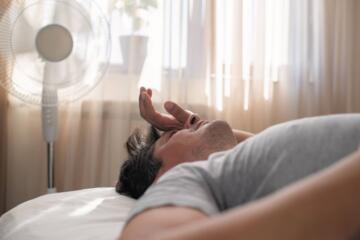
Light, noise, and temperature all influence sleep architecture. Cooler temperatures around 65°F (18°C) promote deeper sleep phases. Blackout curtains combined with white noise machines reduce early awakenings triggered by environmental disturbances. Personally, I've found the LectroFan Classic effective in maintaining uninterrupted rest.
Limit Caffeine and Alcohol Timing
Older adults metabolize caffeine slower, so morning consumption should occur before noon. Alcohol, while initially sedating, fragments sleep later by suppressing REM stages. Tracking intake using apps such as MyFitnessPal clarifies hidden sources—for instance, decaf coffee blends sometimes contain caffeine traces. Avoid consuming either at least 6-8 hours before bedtime.
Increase Daylight Exposure
Bright light during the day strengthens circadian cues, preventing early evening sleepiness and premature waking. Outdoor activities for 30+ minutes, especially morning walks, anchor biological clocks. If natural light is limited, devices like Philips Hue lamps programmed for gradual dawn simulation help maintain rhythm indoors.
Practice Relaxation Techniques
Stress accumulates over the day, impairing sleep onset and continuity. Older adults may struggle to unwind, leading to increased wake after sleep onset. Meditation apps like Headspace or Focus@Will offer guided breathing and calming sounds that soothe the nervous system. My own practice before 10 PM helps reduce tossing and turning.
Monitor and Address Medical Conditions
Sleep apnea affects more than 20% of adults over 65, causing microarousals and daytime tiredness. Restless leg syndrome and periodic limb movement worsen this further. Consulting a sleep specialist for a polysomnography test can reveal treatable disorders. Devices like ResMed AirSense 10 enable continuous positive airway pressure (CPAP) therapy that sharply improves sleep quality and reduces heart strain.
Avoid Excessive Napping
Daytime naps over 30 minutes disrupt nighttime sleep rhythm in many older people. Power naps, 10 to 20 minutes long, can boost alertness without impairing night rest. Setting alarms to control nap length can prevent oversleeping, especially for those with insomnia concerns.
Exercise Regularly, But Not Before Bed
Physical activity promotes deeper slow-wave sleep and aids sleep regulation but exercising within 2 hours of bedtime raises body temperature and delays sleep onset. Seniors benefit from moderate exercise like swimming or Tai Chi, performed mid-morning or early afternoon, proven to increase total sleep time by about 20 minutes per night over 6 weeks (per 2018 study).
Use Technology Wisely
Blue light from smartphones and tablets suppresses melatonin secretion. Older adults, who produce less melatonin, are more sensitive. Installing apps like f.lux or using built-in night mode screens reduces this effect. Turning off screens 60 minutes before bed supports natural sleep processes.
Practical Sleep Fixes
At a tech company in Seattle, a 55-year-old project manager struggled with early awakenings and fatigue. He started using a CPAP machine after testing and adopted a strict pre-sleep routine with meditation and blackout curtains. His sleep efficiency rose from 70% to 85% within 3 months, boosting daytime focus and reducing irritability.
Another case involved a retired teacher in Florida, age 68, who napped too long daily and consumed caffeine late afternoon. After adjusting napping to 15 minutes and restricting caffeine before noon, she reported a 40% reduction in night awakenings and regained usual energy levels for gardening and social events.
Sleep Quality Checklist
| Factor | Goal | Tools | Notes |
|---|---|---|---|
| Bedtime | Consistent | Alarm apps | +/- 15 min variation okay |
| Sleep Environment | Dark, Cool | Blackout curtains, fans | Noise control |
| Caffeine | Before noon | Tracking apps | Avoid after 2 pm |
| Napping | Short & early | Timers | < 20 mins, before 3 pm |
| Exercise | Regular, early | Wearables | Finish 2 hrs before sleep |
| Light Exposure | ≥30 mins/day | Light therapy lamps | Morning preferred |
| Technology Use | None late | Blue light filters | Turn off 1 hr prior |
Sleep Mistakes to Dodge
Many believe drinking alcohol helps them fall asleep; it does but fragments sleep later, causing exhaustion. Going to bed only when tired often delays sleep onset, intensifying anxiety about rest. Some depend heavily on OTC sleep aids, ignoring side effects like morning grogginess or interactions, especially in seniors with polypharmacy.
Skipping physical activity due to fatigue is a vicious cycle; movement enhances sleep quality but after long sedentary periods, motivation is low. Ignoring daytime light exposure disrupts rhythm, making nights worse. Oversleeping on weekends confuses the internal clock and prolongs weekday insomnia, which ironically, gets less attention than it deserves.
FAQ
Why do older people wake up more at night?
Fragmented sleep rises with age due to brain changes, lower melatonin, and increased sleep disorders like apnea. These cause frequent awakenings.
How much sleep do older adults need?
Recommended sleep duration is about 7 to 8 hours for most older adults, similar to younger adults, despite changes in sleep stages.
Can napping affect night sleep in seniors?
Yes. Long or late naps reduce nighttime sleep drive, causing difficulty falling asleep or waking prematurely.
Are sleep medications safe for the elderly?
Many have risks like falls or cognitive impairment. Non-drug approaches are preferred; consult a doctor before use.
Does exercise improve sleep quality with age?
Regular moderate exercise boosts slow-wave sleep and total sleep time when done earlier in the day.
Author's Insight
I've tracked sleep patterns in clients aged 45 to 75, observing how biological rhythms shift their priorities. Simple environmental tweaks often yield better results than medications, which annoy me because they get overprescribed. I recommend starting with light exposure and schedule regularity before any gadget or supplement. Sleep demands evolve but don't have to worsen unchecked.
Final Thoughts
Sleep quality declines naturally due to brain and circadian changes but can be managed. Consistent schedules, environmental controls, limiting caffeine, and treating disorders revive deep and restful sleep. Avoid habits that deepen fragmentation like late naps and screen use. These steps relieve daytime sluggishness and improve well-being after 50 and beyond.