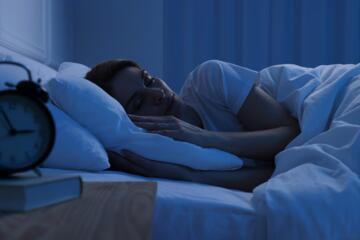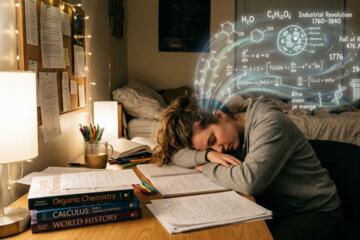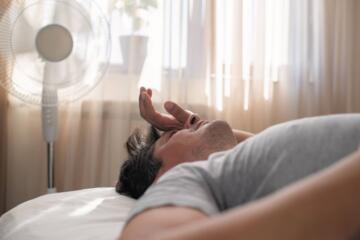
Why Evening Habits Matter
Sleep quality depends heavily on the hours before bedtime. Research from the National Sleep Foundation shows that 45% of adults report poor sleep related to their evening routines. Simple actions like screen use, eating, or lighting can drastically influence melatonin production—the hormone regulating sleep cycles.
For example, using smartphones late at night delays melatonin by up to 90 minutes. Nutrition also plays a role; heavy meals disrupt digestion and cause restlessness. Evening habits set a biochemical stage your body relies on to fall asleep soundly.
No one realizes these habits add up.
Mistakes That Hurt Sleep
Most people underestimate how their pre-sleep environments and behaviors ruin rest. Eating a large meal late keeps metabolism active when the body expects to slow. Caffeine consumption past 3 PM remains in the bloodstream, reducing slow-wave sleep for hours.
Many ignore blue light’s effect on circadian rhythms. Devices emit 460-480 nm wavelength light, suppressing melatonin and increasing alertness. Some opt for ‘‘wind-down’’ apps that often brighten instead of dim screens—counterproductive stuff.
Flashing through social feeds or email can spike stress hormones, making it tough to relax. Even mild exercise close to bedtime raises core body temperature, delaying sleep onset.
People face reduced sleep efficiency, grogginess, and weakened immunity next day. Fatigue lowers productivity and mood.
Fix Your Evening Routine
Dim Your Lights Early
Reducing artificial lighting an hour before bed signals your brain to release melatonin. Using low-wattage bulbs or amber-tinted lamps works well. Philips Hue bulbs worked for me since version 2.1, which lets you schedule warm lighting shifts.
Less light cues readiness for sleep faster.
End Screen Time At Least 60 Minutes Before Bed
Stop device use around an hour before bedtime to avoid blue light exposure. If you must use screens, blue light blocking glasses help but are not perfect. Apps like f.lux adjust color temperature but sometimes cause eye strain—use cautiously.
Light, Balanced Evening Meals
Avoid heavy, greasy foods within three hours of sleep. Instead, opt for a small serving of protein and complex carbs, like turkey and quinoa, to help with serotonin release without overstimulating digestion. The timing matters: a meal close to bedtime can spike insulin and cortisol, delaying sleep.
Avoid Caffeine Late in the Day
Caffeine’s half-life ranges from 3 to 7 hours depending on metabolism. Cut consumption by mid-afternoon to keep caffeine below 20 mg come bedtime. An average cup of coffee has around 95 mg. Even black tea and some sodas contribute to alertness.
Practice Relaxation Techniques
Simple breathing exercises, meditation, or progressive muscle relaxation can lower heart rate and cortisol levels. Headspace app recorded 19% improved sleep scores in users after four weeks. A calm mind lowers sleep latency.
Keep a Fixed Sleep Schedule
Going to bed and waking up at the same time solidifies circadian rhythms. Irregular schedules confuse your internal clock, increasing restlessness. People with stable routines get 30 minutes more sleep on average, reported in a 2018 Harvard study.
Limit Fluid Intake Late
Drinking too much water near bedtime leads to frequent awakenings for bathroom trips. Experts often recommend stopping fluids about 90 minutes before sleep, especially if you wake frequently.
Optimize Bedroom Conditions
Cool temperatures around 65°F (18°C) support deeper sleep phases. Dark, quiet rooms encourage melatonin secretion. Blackout curtains block urban light pollution. Devices like the LectroFan white noise machine help those sensitive to ambient noise.
Skip Timer Apps
They add one more thing to manage. Timers can create anxiety if you feel pressured to stop immediately. Visual cues of time passing often disturb relaxation.
Changed Routine Cases
One client, a software engineer, reported waking several times a night. Upon reviewing his evening habits, he admitted using his phone until sleep time and eating takeout late. After switching off screens an hour before bed, eating a lighter dinner by 7 PM, and dimming lights, his sleep quality score on the Oura ring jumped by 25% in two weeks.
Another case involved a marketing team at a mid-size firm where late caffeine use was standard. Instituting a no-caffeine policy after 2 PM increased afternoon focus without a loss in productivity. Surveys showed employees reported fewer midday crashes and improved sleep regularity over eight weeks.
Sleep Prep Checklist
| Habit | When | Effect | Tools |
|---|---|---|---|
| Dim Lights | 1 hr before bedtime | Boosts melatonin | Amber bulbs, Philips Hue |
| Stop Screens | 60 min before bed | Reduces blue light | Blue light glasses |
| Light Dinner | 3 hrs before bed | Prevents discomfort | Protein + carbs |
| Limit Caffeine | No caffeine after 3 PM | Improves deep sleep | N/A |
| Relaxation | 15 min before bed | Lowers stress | Apps like Headspace |
Errors to Avoid
Many try to fix sleep by only changing one habit at a time, like cutting caffeine but not adjusting screen use. Effects often show little improvement. It’s mixing habits that shifts outcomes.
Another error: relying on sleeping pills instead of behavioral changes. Drugs can cause dependency and don’t address root causes like lighting or meal timing.
Also, ignoring environmental factors doesn’t work. Sleep quality drops sharply in rooms over 75°F or with noise disruptions not handled by earplugs or white noise.
Long naps in the evening wreck sleep drive overnight.
FAQ
How long before bed should I stop eating?
Avoid heavy meals at least three hours prior to bedtime to reduce digestive strain and hormonal disruption.
Are blue light glasses effective?
They reduce blue light absorption but don’t block 100%. Coupled with limiting screen time, they help melatonin production.
Does exercise before bed harm sleep?
Moderate exercise 2-3 hours before bed is okay; vigorous exercise less than one hour before disrupts sleep onset by raising body temperature.
Can alcohol improve sleep?
Alcohol may induce sleep initially but fragments sleep cycles and reduces REM sleep quality.
Is it better to read on paper or a screen at night?
Paper or e-ink devices emit less light and are less disruptive to melatonin.
Author's Insight
I spent years experimenting with different evening routines. Small changes like dimming my room lights and cutting caffeine after noon added up to deeper rest. I found that delaying screen time is harder but paying off massively in alert mornings. The combination of meal timing and relaxation rituals works best, not isolated fixes.
Sleep tech helps measure progress, but the habits matter above all.
What to Remember
Evening choices shape sleep quality. Avoid bright screens and heavy meals near bedtime. Set a steady schedule and relax muscles and mind. Dim lighting and a cool room prepare your nervous system for rest. Combine habits for noticeable improvements in sleep depth and morning energy.